Invest

Priority value-chain opportunities for enterprise and partnership in Tana River County.

Why Tana River

River economy with room to grow

Tana River County spans roughly 38,782 km² of coastal ASAL landscapes, floodplains, and delta wetlands. Agriculture and livestock sit at the centre of the county development agenda, yet most nutritious food value chains remain weakly commercialised — leaving clear openings for processors, aggregators, cold-chain operators, and green enterprises.

The opportunities below are drawn from the Market and Value Chain Study on Major Nutritious Products in Tana River County (CISP / REBUILD, August 2021). The study prioritises maize, mango, milk, meat, honey, and fisheries, and maps short-, medium-, and long-term interventions for commercialisation.

  • Strong natural base: River Tana irrigation potential, delta fisheries, and large livestock herds
  • Rising demand for meat, juice, honey, and fish in coastal and national markets
  • Underserved processing, storage, and formal market linkages

By sector

Best opportunities by value chain

Six chains stand out for commercial scale — ranked by market upside, resource endowment, and readiness for private investment.

1. Horticulture & mango

Highest near-term processing upside — juice, dried fruit, and export-grade fresh mango with a seasonal edge into Middle East markets.

2. Livestock & meat

Large herds and a projected national beef shortfall make ranching, feedlots, abattoirs, and value-added meat products compelling.

3. Dairy

Cold chain, collection hubs, and cottage yoghurt processing can capture milk currently lost between farm and market.

4. Fisheries & aquaculture

Delta cage farming, pond rehabilitation, hatcheries, and marine cold chain unlock underused aquatic resources.

5. Honey & apiculture

Modern hives, KEBS-compliant packaging, and niche “Tana River honey” branding suit SME and export models.

6. Irrigated cereals & pulses

Hola and Bura schemes, contract farming with millers, and hermetic storage raise maize and green-gram commercialisation.

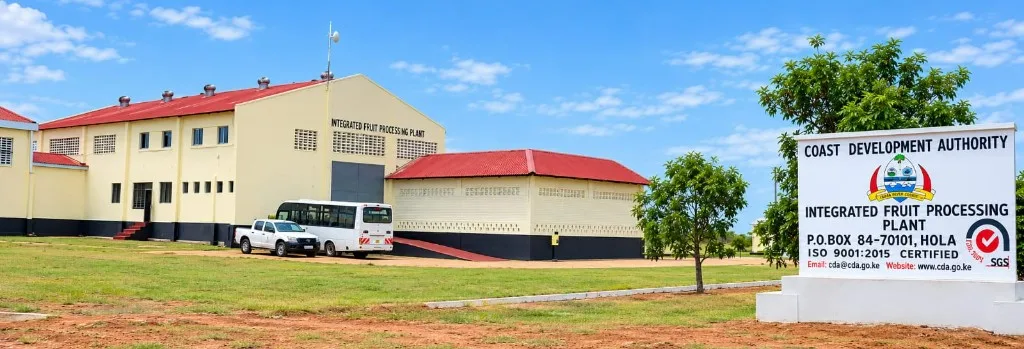
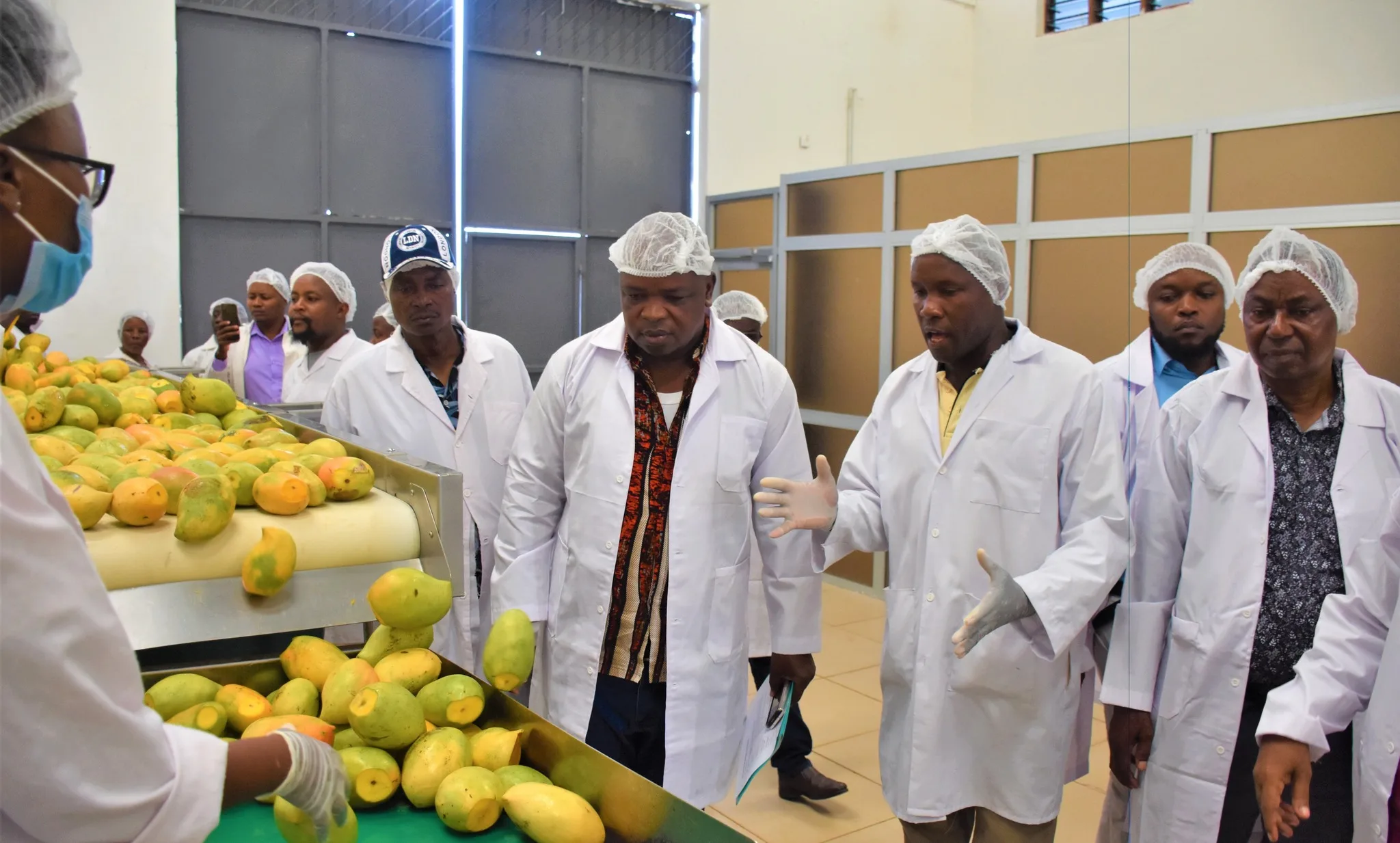
Hola fruit processing and horticulture facilities in Tana River County

Horticulture

Mango processing & fruit systems

Favourable soils, grafted seedlings, and a production-season advantage over competing Middle East suppliers make mango the county’s strongest horticultural bet. Demand for juice and other value-added products is rising, while post-harvest losses and limited processing capacity leave a clear gap for investors.

  • Operationalise the Galole Fruit Processing Plant at Hola
  • Solar-powered cold storage for mango and other fruits
  • Cottage processing: juice, dried mango, chips, leather, and pectin
  • High-density orchards, fruit-fly IPM, and KenyaGAP / export readiness
  • Nursery linkages for improved scions and collective aggregation
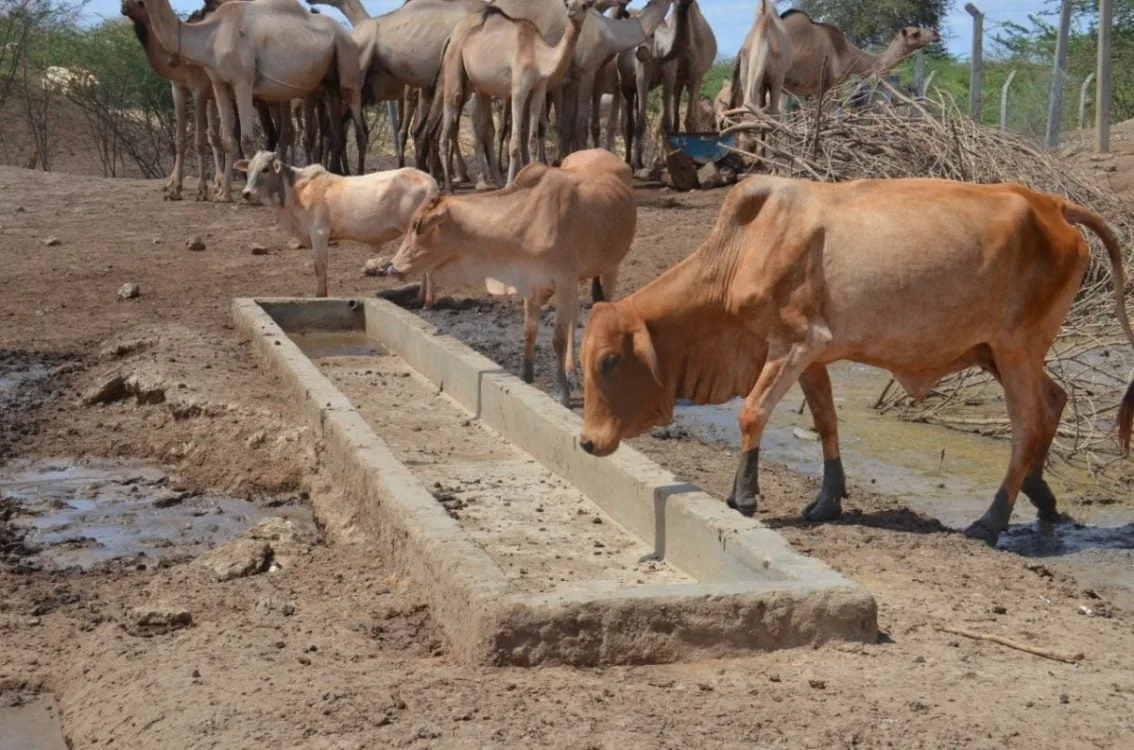
Livestock ranching and pastoral herds in Tana River County

Livestock

Meat, ranching & dairy

Pastoral and agro-pastoral systems dominate livelihoods. The county hosts large populations of indigenous cattle, goats, sheep, and camels, with about ten ranches in coastal lowland zones. Kenya’s domestic beef supply faces an estimated shortfall of roughly 20% — a structural opening for ASAL producers who can finish animals and process meat to market standards.

  • Abattoir and meat plant capacity (Green Heart concept near Garsen targets ~60,000 animals/year)
  • Pasture commercialisation, feed production PPPs, and rangeland rehabilitation
  • Value addition: sausages, smokies, nyirinyiri, and by-product utilisation (hides, skins)
  • Dairy hubs, cooling units, AI / improved breeds, and hygienic milk marketing
  • Livestock insurance products tailored to Tana River conditions

Blue economy

Fisheries & aquaculture

Riverine, delta, and coastal waters support capture fisheries, while aquaculture remains weakly developed despite national pond programmes. High post-harvest losses and limited cold storage keep local catch out of premium markets. Deep-sea potential is constrained by craft and gear — another investment frontier.

  • Cage fish farming along the Tana Delta (with environmental protocols)
  • Rehabilitate Economic Stimulus ponds; local fingerling hatcheries
  • Community fish-feed production to cut input costs
  • Cold chain for pre-processed and processed fish; bio-waste utilisation
  • Modern gear and deep-sea capacity for artisanal fishers; stronger BMUs

Apiculture

Honey & bee products

Honey is traded by relatively few market actors today, yet modern hives, standardised packaging, and by-product streams (wax, syrups, comb) can lift farm-gate prices and open export niches. Typifying Tana River honey for monofloral / organic branding is a long-term differentiator.

  • Langstroth hives and improved colonisation support
  • Pilot processing centres with KEBS-compliant packaging and labelling
  • Youth and women apiculture enterprises and associations
  • Accredited honey testing partnerships; link to national processors
  • Fair-trade / organic certification and export market access

Crops & irrigation

Maize, pulses & irrigated horticulture

Rain-fed systems dominate, but productivity gaps are large — maize averages about six bags per acre against a potential near thirty with better seed, inputs, and water.

Irrigation & schemes

Expand utilisation of Hola and Bura irrigation; solar or manual pumps from the Tana and oxbow lakes; contract farming with regional millers and seed companies.

Storage & markets

Hermetic bags, raised waterproof stores, aflatoxin control, warehouse receipt systems, and ICT market-information links to organised off-takers.

Diversification

Green grams, vegetables, beans, and complementary enterprises reduce dependence on maize sold at distress prices right after harvest.

Flagship concept

Tana Green Heart

The Tana Green Heart Project outlines a coordinated Delta investment platform: a green heartland for climate-smart production and an industrial estate for private processing. Proposed scale includes grazing for improved beef cattle, thousands of hectares for vegetables, rice, and fruit orchards, plus shared infrastructure for manufacturing.

Investors can engage through out-grower schemes, processing plants, solar irrigation, cold storage, and green-economy enterprises aligned with county incentives and biodiversity safeguards.

Enquire about partnerships

Tana River Delta wetlands and productive landscapes

Cross-cutting

What unlocks every sector

Producer organisations

Stronger cooperatives for aggregation, quality assurance, bargaining, and joint ventures with private buyers.

Water & climate resilience

Earth-dam rehabilitation, water harvesting, CSA / regenerative practices, and early-warning use for drought and floods.

Finance & markets

Inclusive credit for women-led SMEs, formalisation support for traders, and a multi-stakeholder marketing forum with a nutritious-foods dashboard.

Source: Market and Value Chain Study on Major Nutritious Products in Tana River County — Final Report (CISP & partners / REBUILD programme, August 2021). Figures and proposals summarised for investor orientation; verify current licences, land, and partnership terms with County departments before committing capital.